There’s a quiet shift happening in gaming right now—and most people don’t realize how big it is.
With the rise of AI-driven rendering tools like NVIDIA DLSS, we’re looking at something that goes far beyond better frame rates or sharper images. What we’re actually seeing is the resurrection of older video games—not as remakes, not as remasters, but as something entirely new:
The same games… reinterpreted through modern AI.
And that changes everything.
🎮 The Forgotten Realism of PS2-Era Games
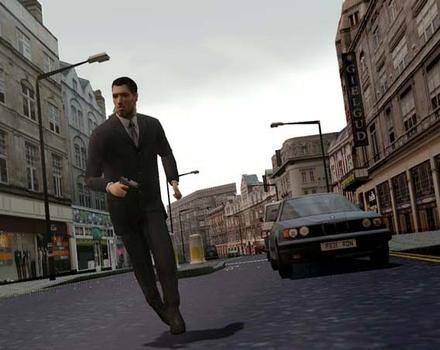
Take The Getaway for example.
At the time, it was considered one of the most realistic games ever made. Not because of raw graphical power—but because of:
- grounded animations
- real-world environments
- cinematic pacing
Even today, the gameplay still feels modern in a lot of ways.
The problem?
The visuals are locked to early 2000s hardware limitations:
- low-resolution textures
- jagged edges
- flat lighting
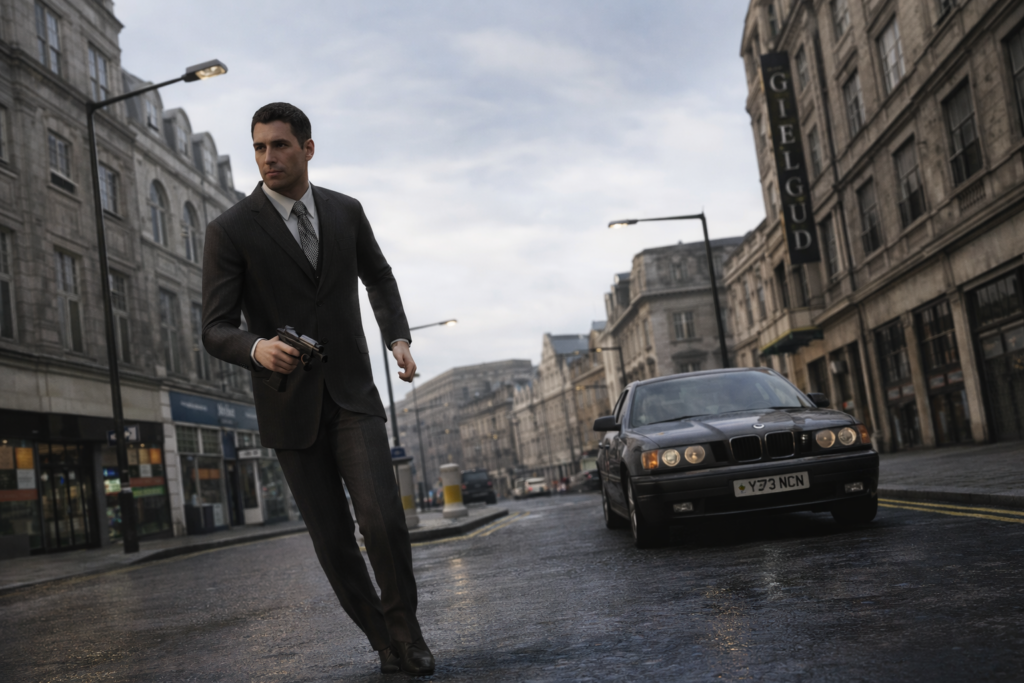
Now imagine that same game… but with:
- AI-enhanced textures
- modern lighting interpretation
- cleaned-up character models
Suddenly, you’re not looking at nostalgia anymore.
You’re looking at a game that feels current again.
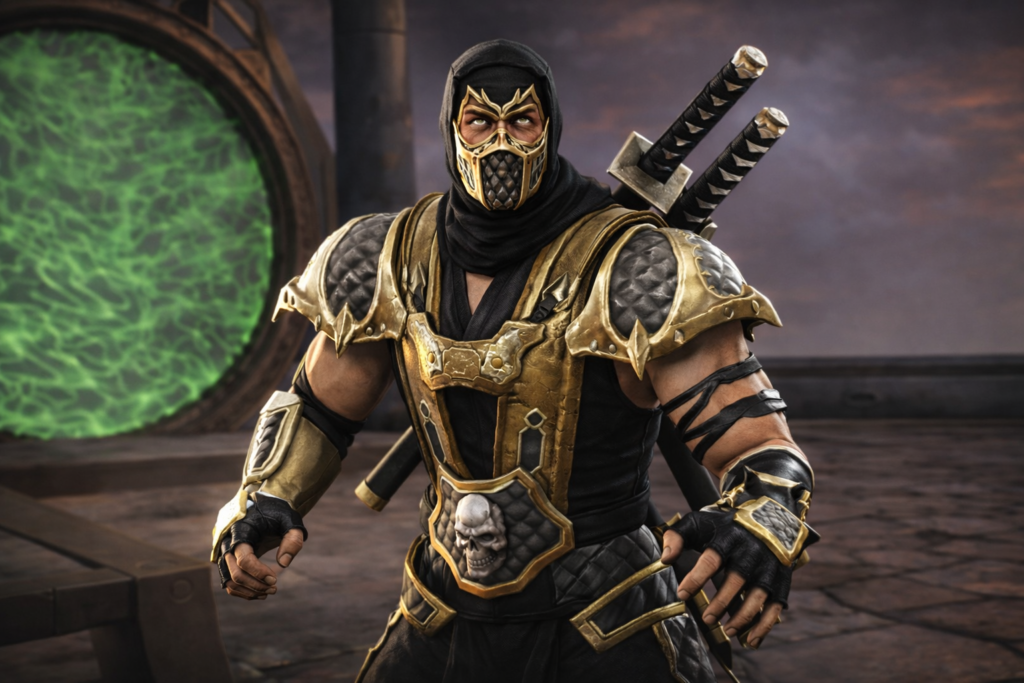
🔥 AI Isn’t Replacing Artists — It’s Finishing Their Work
This is where the conversation gets twisted.
A lot of people hear “AI” and immediately jump to:
“It’s replacing artists.”
But that’s not what’s happening here.
Every classic game—from Manhunt to Resident Evil 4—was built by:
- real artists
- real animators
- real designers
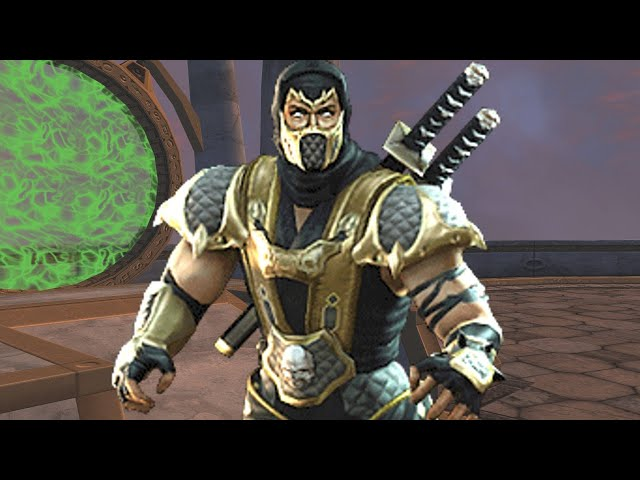
What AI tools like DLSS are doing is this:
Taking what was already created… and enhancing it beyond the limitations of the original hardware.
Think about it like this from an art perspective:
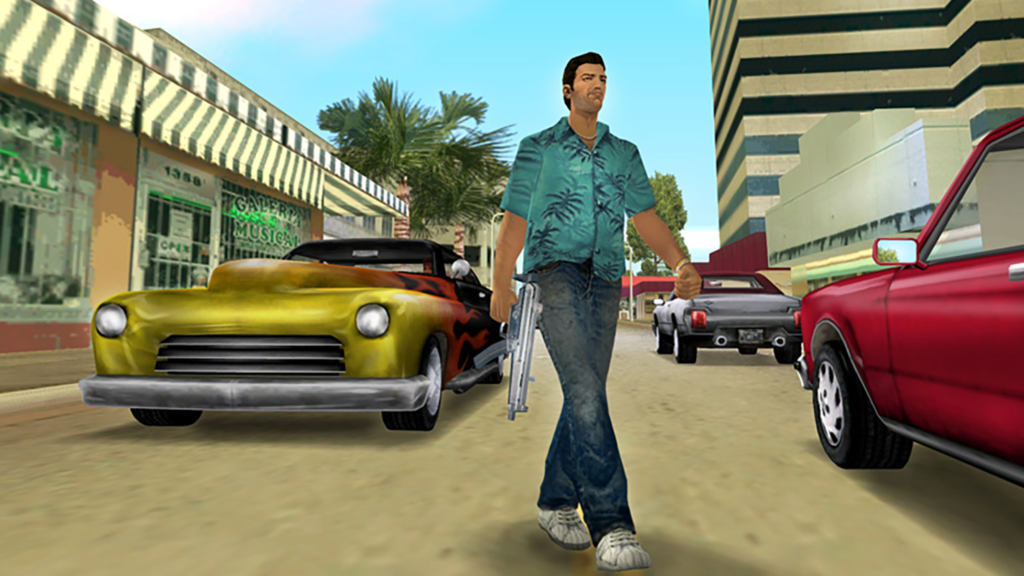
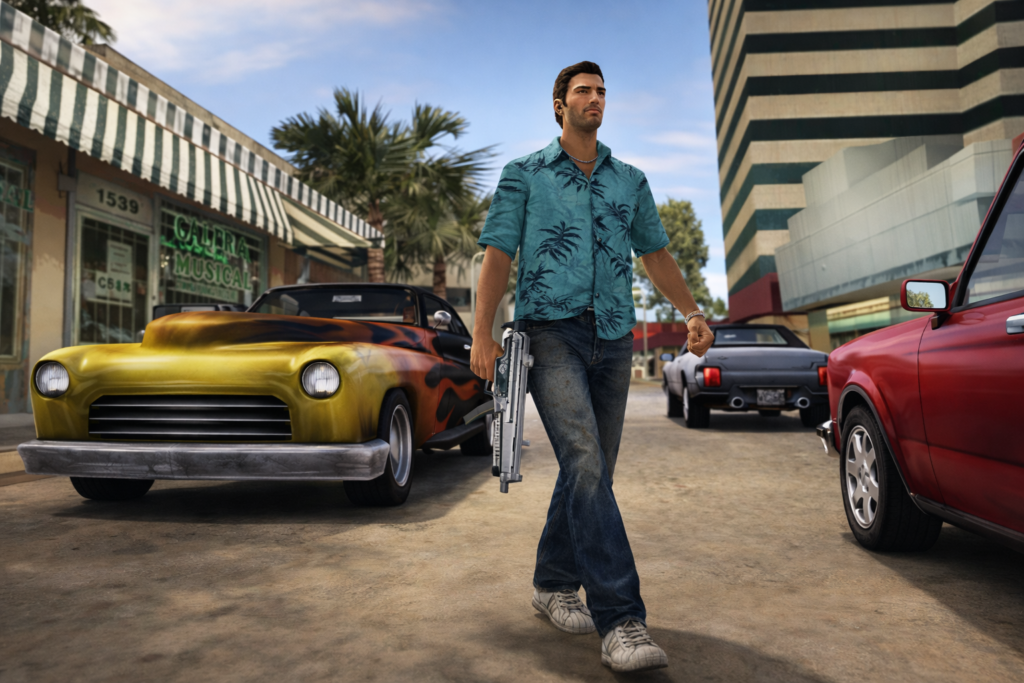
- The original PS2 image = pencil sketch under time constraints
- AI enhancement = inking, shading, and lighting pass done 20 years later
The foundation is still human.
AI is just finishing the job.
🎨 The “What If” That Changes Everything
Here’s the real question that should be getting attention:
What if we don’t need remakes anymore?
What if instead of rebuilding games from scratch, we could:
- take the original assets
- run them through AI enhancement systems
- and experience them the way they would have looked without hardware limits
That means:
- no lost mechanics
- no rewritten stories
- no modern “adjustments” that change the tone
Just the original vision… fully realized.
⚠️ The Controversy: When AI Touches a Classic
This is where things get messy.
When Resident Evil experimented with AI-enhanced visuals, some players pushed back hard.
Not because the gameplay was bad.
Not because the story changed.
But because:
“It didn’t look the way they remembered.”
And that’s the real issue.
This isn’t just about graphics—it’s about memory vs reality.
🧠 The Real Fear: Losing the Original Atmosphere
Let’s be honest for a second.
A lot of older horror games worked because of their limitations:
- fog hiding draw distance
- blurry textures creating unease
- stiff animations making characters feel unnatural
AI enhancement can:
- sharpen everything
- brighten scenes
- add clarity
But sometimes…
That clarity kills the fear.
This is where the debate actually matters—not “AI vs artists,” but:
“Does improving the image improve the experience?”
🧩 Why This Is a Tool — Not a Replacement
Here’s the part people are getting wrong.
AI doesn’t have intent.
It doesn’t understand:
- mood
- tone
- storytelling
It enhances based on patterns.
That means it needs direction—just like any other tool.
And that’s where artists come in.
A skilled developer or artist can:
- tune the AI output
- preserve atmosphere
- control lighting and tone
So instead of replacing artists…
This tech actually requires better artistic direction than ever before.
🚀 Why This Could Bring Old Games Back to Life
If used correctly, this could be one of the biggest shifts in gaming since 3D graphics.
Imagine:
- entire PS2 libraries becoming visually modern
- forgotten games getting a second life
- indie developers enhancing older assets without massive budgets
Games that people haven’t touched in 20 years could suddenly feel:
- playable
- relevant
- worth revisiting
🎯 Final Thought: This Isn’t About Technology — It’s About Respecting the Original Vision
At the end of the day, this isn’t a battle between AI and artists.
It’s about something bigger:
Do we use technology to replace creative work…
or to elevate what was already there?
Because when you look at it the right way—
AI isn’t rewriting history.
It’s revealing what was always underneath it.